Personality change does not always look the same
One of the most unsettling things a family member can say after a concussion or traumatic brain injury is, “He just isn’t the same person anymore.” And sometimes, he isn’t—not in the ways his family has always known him. A patient who was once patient and easygoing may become irritable, argumentative, or quick to anger. Someone who was energetic and outgoing may become quiet, passive, or withdrawn. These changes can be startling, and families often attribute them to stress, depression, pain, or simply a bad attitude. But changes in personality and behavior are very real symptoms that can occur following a concussion or traumatic brain injury.
They can also be enormously frustrating for the injured person. He/she may recognize that they are reacting differently but not understand why or be able to control it. In other cases, the family notices the change long before the injured person does. That can create confusion, arguments, and sometimes considerable strain within a family—particularly when no one understands that the change may be related to the brain injury itself.
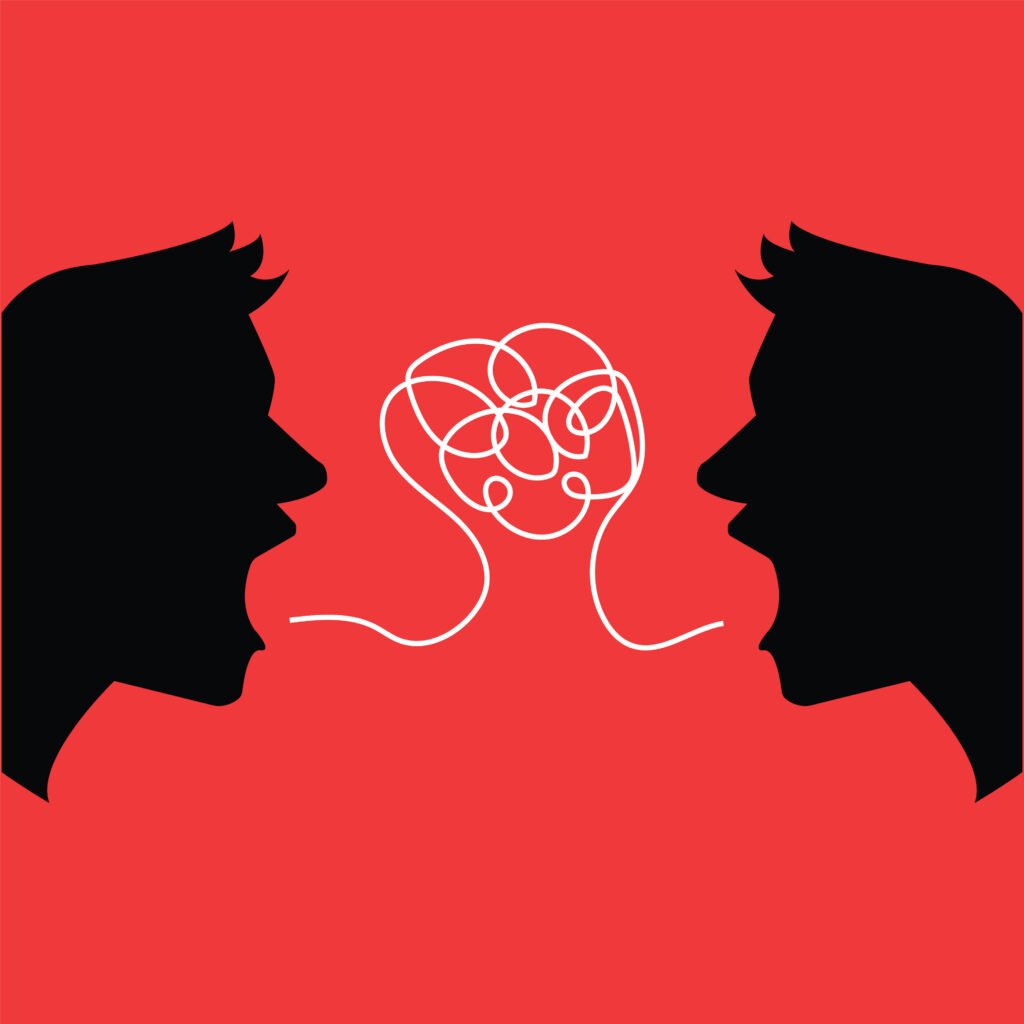
There is a medical reason this can happen. The brain does much more than control memory and thinking; it also helps regulate our emotions, judgment, motivation, impulses, and behavior. Areas in the frontal lobes, particularly the prefrontal cortex, work together with deeper emotional centers such as the amygdala and other parts of the limbic system. These interconnected brain systems help us control anger, exercise judgment, read social situations, regulate emotions, and decide how we respond to the people and circumstances around us. When a traumatic brain injury disrupts those systems or the communication between them, the way a person behaves—and sometimes the personality that others experience—can change.[1] [2]
Personality change does not always look the same
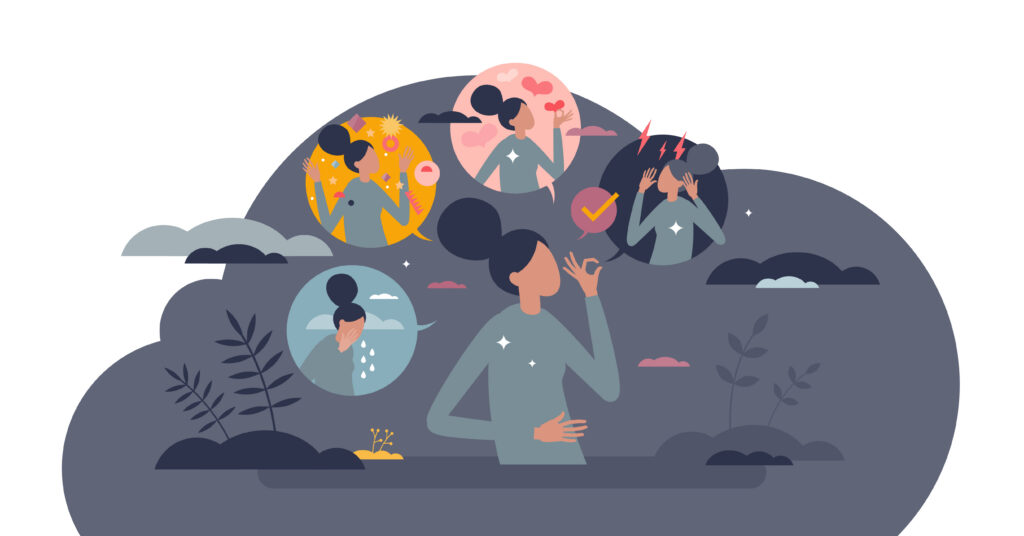
There is no single personality change associated with brain injury. In fact, two people can change in almost opposite directions.
One person may become irritable, impatient, impulsive, argumentative, or aggressive. A relatively minor frustration may suddenly produce a disproportionately large emotional response. Family members often describe this by saying, “His fuse is much shorter than it used to be.”
Another person may move in the opposite direction. Someone previously energetic, ambitious, and socially engaged may become passive, withdrawn, apathetic, or unusually docile. The person may seem to have lost initiative. Activities that once mattered may no longer generate much enthusiasm.
Still others become more anxious or emotional. They may cry easily, become overwhelmed, lose confidence, make inappropriate comments, interrupt conversations, or have difficulty recognizing social boundaries that once came naturally.
Why such different reactions?
Because personality is not located in one tiny compartment of the brain. It emerges from complicated networks involving emotion, inhibition, judgment, memory, attention, motivation, and executive functioning. Different injuries can disturb different parts of those systems to different degrees. Pain, fatigue, poor sleep, anxiety, depression, PTSD, medications, and the psychological consequences of trauma can further influence behavior.
Sometimes the “personality change” is an overloaded brain
Consider irritability. A person recovering from a concussion may be experiencing headaches while simultaneously struggling with concentration, memory, light sensitivity, noise sensitivity, and fatigue. Tasks that once required little effort can suddenly demand enormous mental energy.
Now put that person in a crowded restaurant. Several conversations are occurring simultaneously. Music is playing. Dishes are clattering. People are moving past the table. Someone is asking questions while the injured brain is attempting to filter all of this competing information.
The person may become frustrated, irritable, or simply want to leave. To the family, the reaction can appear completely out of character. But what looks like a personality problem may partly represent a brain struggling with cognitive overload. This occurs more frequently than you realize.
The opposite can happen as well. Rather than becoming irritable, the injured person may withdraw from situations that have become difficult. Someone who once enjoyed parties, restaurants, church, sporting events, or family gatherings may begin avoiding them—not because relationships suddenly matter less, but because the stimulation has become exhausting.
After a brain injury, you may notice changes in how you feel or express emotions. You may also notice changes in thinking, such as memory, attention, or how quickly you process information. These changes may feel overwhelming and may lead to emotional reactions like worry, anger, or sadness. These feelings are common after a brain injury. The Brain Injury Association of America
Brain Injury Asscoiation of America
The injured person may not recognize the change
One particularly difficult aspect of brain injury is that the person who has changed may be less aware of those changes than everyone around him.
The husband says, “I’m fine.” His wife says, “You’re different.”
Both may be describing what they genuinely perceive.
Self-awareness itself depends upon brain function. In some cases, neurological changes can interfere with a person’s ability to recognize or appreciate changes in his own behavior. In other cases, the differences are simply too gradual or subtle for the injured person to notice.
Family members have something enormously valuable: a baseline. They remember how this person handled frustration before the injury, how patient she was with the children, how he behaved socially, how she managed stress, and how much initiative or energy he ordinarily possessed.
That before-and-after comparison can be important both medically and, when necessary, legally.
What can be done about behavioral and personality changes?
Personality or behavioral changes after brain injury should be discussed with a physician rather than simply accepted as something the family must endure. Treatment begins by determining what is actually contributing to the problem.
Depending upon the symptoms, evaluation may involve a neurologist, neuropsychologist, psychiatrist, psychologist, or rehabilitation specialist. Neuropsychological testing can sometimes help identify problems involving attention, memory, executive functioning, impulse control, and other cognitive abilities.
Treatment can then be individualized. Cognitive rehabilitation may help a person develop strategies for organization, attention, planning, and self-monitoring. Psychological or behavioral therapy can help with emotional regulation, frustration, anxiety, depression, and adapting to changes caused by the injury. Occupational therapy may address difficulties functioning in everyday environments. When appropriate, physicians may also use medication to address particular symptoms such as depression, anxiety, irritability, sleep disturbance, or emotional instability.[2]
Family education can be equally important. Understanding that certain behaviors may arise from neurological impairment does not mean inappropriate behavior should simply be tolerated. It means the family can respond more effectively when it understands what may be driving the behavior.[3] [4]
Pay attention when someone says, “You're different.”
Not every personality change following an accident is necessarily caused by structural brain damage. Pain, sleep disturbance, emotional trauma, medications, depression, anxiety, and life disruption can all affect behavior. Often several factors are operating simultaneously.
But when people who have known someone for years consistently say, “This is not the person I knew before the injury,” that observation should not be casually dismissed.
The person they love may still very much be there. What may have changed is the brain’s ability to regulate emotion, tolerate stimulation, control impulses, initiate activity, or respond to the world in the way it once did.
Our personalities do not exist separately from our brains. When the brain is injured, sometimes the person the world sees can change too.
Stay safe out there!
By Charlie Waters
Dallas Brain Injury Lawyer
Sources:
- Adams D, Dahdah M. Coping and adaptive strategies of traumatic brain injury survivors and primary caregivers. NeuroRehabilitation. 2016 Jun 27;39(2):223-37. doi: 10.3233/NRE-161353. PMID: 27372358.
- Sardinha DS, Vieira RCA, Paiva WS, de Oliveira DV, de Sousa RMC. Behavioral Changes and Associated Factors After Diffuse Axonal Injury. J Trauma Nurs. 2019 Nov/Dec;26(6):328-339. doi: 10.1097/JTN.0000000000000471. PMID: 31714494.
- Lu L, Li F, Chen H, Wang P, Zhang H, Chen YC, Yin X. Functional connectivity dysfunction of insular subdivisions in cognitive impairment after acute mild traumatic brain injury. Brain Imaging Behav. 2020 Jun;14(3):941-948. doi: 10.1007/s11682-020-00288-5. PMID: 32304021; PMCID: PMC7275020.
- Ponsford, J., Trevena-Peters, J., Janzen, S., Harnett, A., Marshall, S., Patsakos, E., Kua, A., McIntyre, A., Teasell, R., Wiseman-Hakes, C., Velikonja, D., Bayley, M. T., & McKay, A. (2023). INCOG 2.0 Guidelines for Cognitive Rehabilitation Following Traumatic Brain Injury, Part I: Posttraumatic Amnesia. Journal of Head Trauma Rehabilitation, 38(1), 24–37. https://doi.org/10.1097/HTR.0000000000000840
- Witcher KG, Bray CE, Chunchai T, Zhao F, O’Neil SM, Gordillo AJ, Campbell WA, McKim DB, Liu X, Dziabis JE, Quan N, Eiferman DS, Fischer AJ, Kokiko-Cochran ON, Askwith C, Godbout JP. Traumatic Brain Injury Causes Chronic Cortical Inflammation and Neuronal Dysfunction Mediated by Microglia. J Neurosci. 2021 Feb 17;41(7):1597-1616. doi: 10.1523/JNEUROSCI.2469-20.2020. Epub 2021 Jan 15. PMID: 33452227; PMCID: PMC7896020.
Other Sources:
- Singh RK, Humphries TJ, Dawson JF, Tiupin-Szulc J, Mason S, Lecky FE. Changes in depression symptoms over 10 years after TBI; a long-term prospective study. Brain Inj. 2025 Jan 28;39(2):154-161. doi: 10.1080/02699052.2024.2413639. Epub 2024 Oct 13. PMID: 39396206.
- Powell JM, Wise EK, Brockway JA, Fraser R, Temkin N, Bell KR. Characteristics and Concerns of Caregivers of Adults With Traumatic Brain Injury. J Head Trauma Rehabil. 2017 Jan/Feb;32(1):E33-E41. doi: 10.1097/HTR.0000000000000219. PMID: 27022956.