
Dallas Birth Injury Lawyer
Has a preventable medical error during pregnancy, labor, or delivery left your child or you with serious injuries?
The miracle of childbirth is one that countless mothers have experienced. But for some, it is a traumatic experience caused by someone’s careless mistake in the delivery room.
Oxygen deprivation, improper use of equipment, and delayed C-sections can lead to cerebral palsy, brain damage, nerve injuries, and permanent developmental challenges. Parents may face years of specialized care and home modifications, along with the grief and stress of adjusting to a future they never expected. Mothers may also develop serious injuries that could have been prevented, leading to lifelong complications.
Your family should not have to be burdened by someone else’s fault. At Charlie Waters Law, we fight for mothers and their children who have suffered because of medical negligence. As your Dallas birth injury lawyer, we advocate for the compensation you or your child needs for lifelong care.
Protecting Children. Supporting Families. Seeking Justice.
When medical negligence turns childbirth into tragedy, families deserve answers, accountability, and help securing their future.
NO FEES UNLESS WE RECOVERY FOR YOU
- ZERO Fees Until We Recover for You
- FREE Consultations to Assist You with All Questions
- ZERO Obligation in Talking With Us. That’s totally free.
We want to answer your questions! We’re here to help.
WE WILL HELP YOU
- Understand what cause Birth Injury
- Understand How We Will Build Your Birth Injury Case
- Get a Maximum Recovery for Your Claim
No Shortcuts. No Discounts.
Your injuries are real. Your losses are real.
And we don't believe in discounting either one.
What happened with injury and how can we help you?
A Personal Message from Charlie Waters to Families Struggling with a Birth Injury
Few things are more heartbreaking than the birth of a child who has suffered a serious injury that could have been prevented. What should be one of the happiest moments in a family’s life can suddenly become a time of fear, uncertainty, and overwhelming concern about the future. I’ve seen how devastating these injuries can be, not only for the child but for the entire family.
Birth injury cases are often medically and legally complex. Determining what went wrong may require a careful examination of the decisions and actions of obstetricians, delivery nurses, anesthesiologists, and hospitals. Sometimes several medical providers share responsibility. And sometimes the failure to recognize and respond to a medical emergency in time can change a child’s life forever.
One area in which we have considerable experience is traumatic and acquired brain injuries, including injuries caused by oxygen deprivation, known as hypoxic or anoxic brain injuries. Understanding the medical science behind these injuries, and explaining it clearly, is an important part of the work we do.
I understand that families facing these circumstances need more than legal representation. They need answers, compassion, and someone who will take the time to understand what happened and what their child may need for the rest of their life. If your family has suffered a preventable birth injury, I want you to know that we’re here to listen, investigate, and help you find a way forward.
Charlie Waters
Founder, Charlie Waters Law
Texas Brain Injury Law Center

What You Should Know...
Common Types of Medical Negligence That Cause Birth Injuries
Most babies are delivered safely, but mistakes during pregnancy, labor, or childbirth can sometimes cause devastating injuries. Obstetricians, nurses, and other medical professionals are trained to recognize complications and respond before a mother or child suffers serious harm. When they fail to meet accepted standards of medical care, the consequences can be permanent.
One of the most common concerns in birth injury cases is the failure to properly monitor a baby’s heart rate during labor. Electronic fetal monitoring can reveal patterns suggesting that a baby is not receiving enough oxygen. When these warning signs are overlooked, misinterpreted, or ignored, a medical team may miss an opportunity to prevent serious neurological injury. Delays in ordering or performing an emergency cesarean section can be particularly dangerous when a baby is experiencing prolonged oxygen deprivation.
Other forms of negligence may involve improper use of forceps or vacuum extractors, failure to recognize umbilical cord complications, or improper management of shoulder dystocia, a delivery emergency in which a baby’s shoulder becomes trapped behind the mother’s pelvic bone. These complications can result in brain injuries, nerve damage, fractures, and other serious conditions. Failure to recognize maternal infections, preeclampsia, or placental problems can also place both mother and child at risk.
Birth injuries are not limited to newborns. Mothers may suffer serious injuries from uncontrolled bleeding, delayed treatment of infections, improper surgical procedures, or failures to recognize dangerous complications during pregnancy and delivery.
Not every difficult delivery or unexpected injury is the result of medical negligence. Some complications occur despite appropriate care. The important question is whether the medical providers recognized the risks, responded appropriately, and took reasonable steps to prevent harm.
Determining what happened often requires a detailed review of prenatal records, fetal monitoring strips, delivery notes, and the decisions made by the medical team. These records can help establish whether a preventable medical error caused or contributed to a serious birth injury.
When Hospitals, Doctors, and Delivery Nurses Share Responsibility for a Birth Injury
When a child suffers a serious birth injury, parents may naturally focus on the obstetrician who delivered the baby. But labor and delivery involve an entire medical team, and responsibility for a preventable injury may extend well beyond the delivering physician. Hospitals, nurses, anesthesiologists, and other medical professionals may each play an important role in what happened.
Labor and delivery nurses are often responsible for monitoring the mother’s condition, observing fetal heart rate patterns, recognizing warning signs, and communicating concerns to the attending physician. A nurse who fails to recognize a dangerous fetal heart rate pattern, promptly notify a physician, or follow established emergency procedures may contribute to a preventable injury. Likewise, an obstetrician who fails to respond appropriately to reported complications may share responsibility.
Hospitals have responsibilities of their own. They must maintain appropriate staffing, adequately train and supervise employees, provide necessary equipment, and establish procedures for responding to obstetrical emergencies. A hospital’s failure to have qualified personnel or an operating room available when an emergency C-section becomes necessary may contribute to a devastating outcome.
Under Texas law, hospitals may be held responsible for negligence committed by employees acting within the scope of their employment. In some circumstances, hospitals may also face liability for their own failures in staffing, training, supervision, or patient safety. Whether a hospital is responsible for the actions of an independently practicing physician depends on the particular facts and applicable legal principles.
These cases frequently involve overlapping decisions made by several medical professionals, sometimes within a matter of minutes. Determining who was responsible requires careful examination of medical records, nursing notes, fetal monitoring strips, hospital policies, and the sequence of events leading to the injury.
An experienced birth injury lawyer must look beyond the actions of any single provider. Identifying every person or institution whose negligence contributed to the injury is essential to understanding what went wrong and pursuing accountability.
How Oxygen Deprivation During Labor and Delivery Can Cause Permanent Brain Injuries
A baby’s developing brain is especially vulnerable to interruptions in its supply of oxygen and blood. When oxygen levels fall dangerously low during pregnancy, labor, or delivery, brain cells can become damaged or die. Depending on the severity and duration of the interruption, the resulting neurological injuries may be permanent and profoundly affect a child’s development.
Doctors use several medical terms to describe these events. Hypoxia means an inadequate supply of oxygen, while anoxia refers to a complete or nearly complete absence of oxygen. Ischemia occurs when blood flow to tissue is reduced or interrupted. When insufficient oxygen and blood flow cause injury to a newborn’s brain, the resulting condition is known as hypoxic-ischemic encephalopathy, or HIE.
Several complications can interrupt the delivery of oxygen to an unborn child. These include compression or prolapse of the umbilical cord, premature separation of the placenta from the uterine wall, uterine rupture, and severe maternal blood pressure problems. When these emergencies occur, the medical team may have only a limited opportunity to intervene before serious neurological damage develops.
The consequences can include seizures, developmental delays, intellectual disabilities, movement disorders, and, in some cases, cerebral palsy. However, not every case of cerebral palsy results from oxygen deprivation during childbirth. Determining the actual cause of a child’s brain injury requires careful medical investigation.
Fetal heart rate monitoring, umbilical cord blood gas measurements, neurological examinations, and brain MRI studies may provide important evidence about the nature and possible timing of an injury. These findings must be evaluated together rather than in isolation.
At Charlie Waters Law, our extensive experience with brain injury litigation is particularly valuable in these cases. Understanding the medical science behind oxygen deprivation and neurological damage helps us investigate whether timely medical intervention could have prevented or reduced a child’s injuries.
For families seeking additional information about brain injuries, we encourage you to visit our Texas Brain Injury Law Center.
Medical references: American College of Obstetricians and Gynecologists and CDC — Cerebral Palsy.
When Medical Negligence Continues After Delivery: Failures in Newborn Care
The danger to a newborn does not necessarily end when the baby is delivered. The minutes and hours immediately following birth can be critical, particularly when a child has experienced oxygen deprivation, breathing difficulties, or other complications. Failure to recognize and properly treat these conditions may cause additional injuries or worsen neurological damage that has already occurred.
Newborns who are not breathing adequately may require immediate resuscitation, including assisted ventilation and other emergency measures. Delays in recognizing respiratory distress, providing effective ventilation, or responding to dangerously low oxygen levels can have devastating consequences. Medical providers must also carefully monitor newborns who required significant resuscitation because their condition may deteriorate after they initially appear stable.
One particularly important concern involves hypoxic-ischemic encephalopathy (HIE), a form of brain injury associated with inadequate oxygen and blood flow. For certain newborns with moderate to severe HIE, a treatment known as therapeutic hypothermia, or cooling therapy, can reduce the risk of death or serious neurological disability. The treatment involves carefully lowering the baby’s body temperature under specialized medical supervision. According to the American Academy of Pediatrics, the greatest established benefit occurs when treatment begins within the first six hours after birth.
A hospital that fails to recognize signs of HIE, promptly evaluate a newborn for cooling therapy, or arrange timely transfer to a facility equipped to provide specialized treatment may miss an important opportunity to reduce neurological injury. Not every newborn qualifies for this treatment, making prompt and accurate evaluation essential.
Other concerns include failure to recognize neonatal seizures, inadequate monitoring of blood glucose levels, delayed treatment of infections, and failure to respond to continuing respiratory difficulties.
Investigating these cases requires examining what happened after delivery, not simply what occurred during labor. Resuscitation records, nursing notes, laboratory results, neurological examinations, and neonatal intensive care records may reveal whether appropriate treatment was provided.
When negligent newborn care causes additional harm, the responsible medical providers and hospitals may be held accountable.
Medical references: AAP — Therapeutic Hypothermia for Neonatal HIE (2026) and 2025 Neonatal Resuscitation Guidelines.
The Lifelong Consequences of Birth Injuries and the Cost of Future Care
A serious birth injury can change the course of a child’s life and the lives of everyone in the family. While some children recover with appropriate treatment, others face permanent physical, neurological, or developmental disabilities requiring specialized medical care and assistance throughout their lives. For parents, understanding and preparing for these needs can be emotionally and financially overwhelming.
Children with severe brain injuries, cerebral palsy, or other permanent conditions may require ongoing treatment from neurologists, orthopedic specialists, rehabilitation physicians, and other healthcare professionals. Physical, occupational, and speech therapy may be necessary for many years. Some children need wheelchairs, communication devices, specialized educational services, or modifications to their homes and vehicles.
The consequences extend far beyond medical expenses. A parent may have to leave a job or reduce working hours to care for an injured child. Family routines, relationships, and financial plans may change dramatically. As a child grows, additional challenges may arise involving mobility, communication, education, independence, and eventually employment.
One of the greatest challenges in birth injury litigation is determining what an injured child will need over an entire lifetime. This often requires working with pediatric specialists, rehabilitation professionals, life care planners, and economists. A comprehensive life care plan can identify anticipated medical treatment, therapy, equipment, personal assistance, and other future needs. Economists can help calculate the projected costs and account for changes in those costs over time.
Under Texas law, compensation in a birth injury case may include recoverable medical expenses, future care costs, physical pain, mental anguish, physical impairment, and loss of future earning capacity. The damages available depend on the circumstances, and certain statutory limitations may apply to medical malpractice claims.
At Charlie Waters Law, we understand that a birth injury claim is about much more than recovering past medical bills. It is about protecting a child’s future and helping a family obtain the financial resources necessary to provide appropriate care, support, and the best possible quality of life.
How Do We Determine Whether a Birth Injury Was Preventable?
When a child suffers a serious injury during pregnancy, labor, or delivery, parents are often left wondering whether something could have been done to prevent it. Not every birth injury is caused by medical negligence. Some complications are unavoidable, even when doctors and nurses provide appropriate care. But others result from medical mistakes, delayed treatment, or failures to recognize warning signs that should have prompted immediate action.
Determining whether an injury was preventable requires a careful investigation of what happened before, during, and after delivery. Important evidence includes prenatal medical records, electronic fetal heart rate monitoring strips, nursing notes, physician orders, delivery records, and neonatal intensive care records. These documents can help establish when complications developed, whether warning signs were recognized, and how quickly medical personnel responded.
In cases involving suspected oxygen deprivation, additional evidence may be particularly important. Umbilical cord blood gas measurements, Apgar scores, neurological examinations, and brain MRI studies can help medical experts evaluate the nature and possible timing of a newborn’s brain injury. No single test necessarily establishes when an injury occurred or whether it could have been prevented.
Experienced birth injury lawyers work with qualified obstetricians, neonatologists, pediatric neurologists, and other medical specialists to evaluate these records. The investigation focuses on whether the medical providers met accepted standards of care and whether different or more timely treatment would probably have prevented or reduced the child’s injuries.
These cases can be especially challenging because several medical professionals may have participated in the mother’s and baby’s care, sometimes making critical decisions within minutes of one another. Understanding who knew what, when they knew it, and what actions they took can be essential to determining responsibility.
At Charlie Waters Law, our extensive experience investigating complex brain injuries, including those caused by oxygen deprivation, helps us evaluate the medical evidence and work with appropriate specialists. Our goal is to give families answers, determine whether negligence contributed to their child’s injuries, and hold those responsible accountable.
Advocating for Injured Children and Families Since 1981
Most deliveries go as planned because healthcare professionals follow accepted medical standards. When a provider fails to monitor fetal distress, misreads warning signs, or delays necessary intervention, both mother and child can sustain lifelong injuries.
Charlie Waters Law holds negligent providers accountable for medical negligence. Our advocacy ensures you have the financial means to cover ongoing expenses and future care. As your Dallas birth injury attorney, our job is to take over the legal burden and fight for the outcome your family deserves.
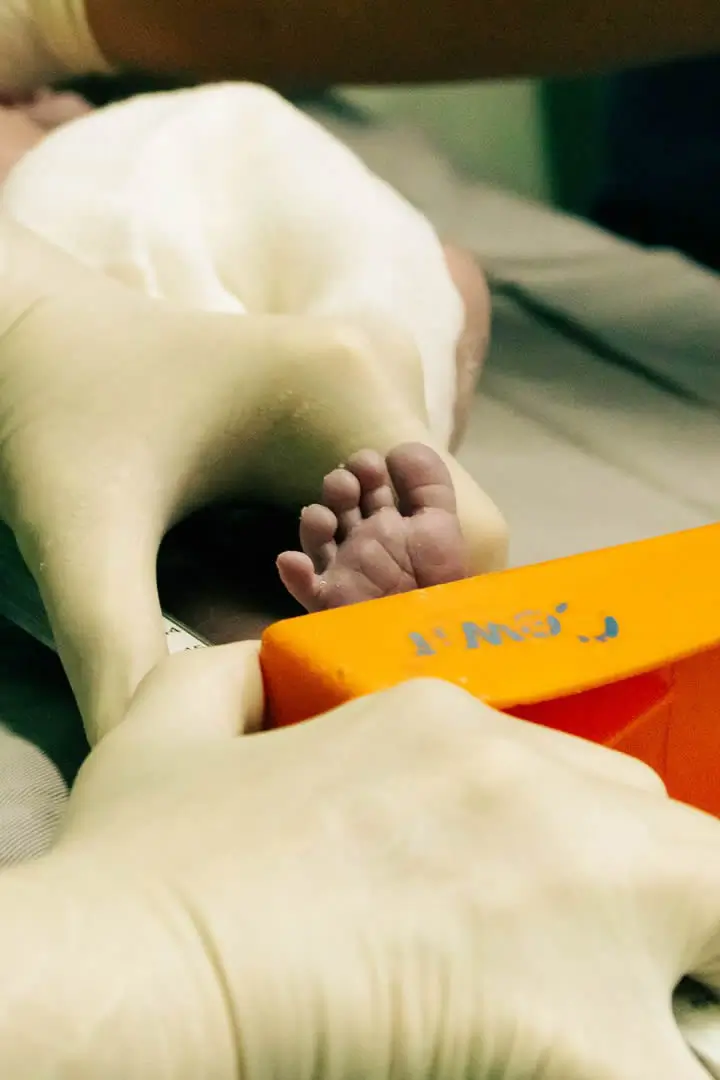
Proving Medical Negligence Under Texas Birth Injury Law
Millions of women give birth every year, and some of them have high-risk pregnancies that can lead to complications. Some conditions can also result from genetics or factors no one could have prevented.
However, many women and children have sustained injuries before, during, or after birth because of medical negligence. These are conditions that could have been avoided had it not been for substandard care.
To recover compensation, your family must generally prove that a provider owed a duty of care, breached the accepted standard of care, and that this breach caused your child’s or mother’s injuries:
- Physician and Midwife Negligence: A doctor or midwife may be liable for failing to respond to fetal distress, improperly using delivery tools, mismanaging shoulder dystocia, or failing to order a timely C-section.
- Hospital and Nursing Negligence: A hospital may be responsible for errors committed by its nursing staff, such as failing to monitor fetal heart rate, administering the wrong medication, or failing to alert the physician to warning signs.
In some cases, other parties may share responsibility. For instance, the manufacturer of a defective medical device or delivery instrument could face a product liability claim. Texas medical malpractice cases also carry strict procedural rules, including a required expert report early in the lawsuit.
Because of the complexity of medical malpractice cases, you need an experienced Dallas birth injury lawyer. At Charlie Waters Law, we work to establish liability and fight for the best possible outcomes.
Navigating Parenthood After a Traumatic Birth Injury
No mother should be left wondering how to move forward from a traumatic birth. Our free resources can help you learn about the legal process, how to protect yourself, and where to find community support. We hope our resources can prove helpful as you plan for the future.
“We will work tirelessly to identify every party responsible for your injuries."
“No two brain injuries are alike. Because they can affect people in such different ways, there is no “standard” approach. We carefully develop each brain injury case knowing the uniqueness of the injury and the person. That takes understanding…and experience.”
CHARLIE WATERS

Do You Have a Birth Injury Case?
You may be able to pursue a birth injury lawsuit if you have experienced the following:
Your child was diagnosed with cerebral palsy, hypoxic ischemic encephalopathy (HIE), Erb’s palsy, brachial plexus injury, or another condition linked to delivery.
Medical staff failed to monitor fetal heart rate, recognize signs of distress, or respond to abnormal readings.
The delivery involved forceps or vacuum extraction that caused skull fractures, bleeding, or nerve damage.
Doctors delayed or failed to perform an emergency C-section when complications arose.
The mother suffered serious complications, such as untreated preeclampsia, hemorrhage, anesthesia errors, or injuries from a mishandled C-section or episiotomy.
The hospital or its insurer refused to provide records, denied responsibility, or offered an unfair, early settlement.
When a preventable delivery error affects your or your child’s health, a Dallas birth injury attorney can give your family a much better understanding of your options moving forward.

Recoverable Losses After a Birth Injury
Texas civil law allows injured mothers and their families to seek compensation for the economic and non-economic impacts from those responsible:
- Hospital stays, NICU care, surgical procedures, and prescription medications
- Expected future care, including physical, occupational, and speech therapy
- Specialized equipment, wheelchairs, home modifications, and in-home nursing care
- Your child’s lost future earning capacity if the injury affects their ability to work as an adult
- Physical pain, suffering, and mental anguish endured by your child
- Physical impairment and loss of enjoyment of life
- Medical expenses and lost income for a mother injured during delivery

Mr. Waters is a truly devoted and wonderful individual who just happens to be a very wise attorney, and I highly recommend him to anyone needing legal services regarding traumatic brain injuries. If you need someone to put a voice to your suffering, who paints a complete picture of what you’ve been through, you will have found the perfect person in Charlie. His extensive knowledge and education in this area of law is unparalleled, and no wonder he is ranked among the top in the nation.
M. BENOIT
Former Client
OUR APPROACH
How Our Dallas Birth Injury Law Firm Advocates for Mothers
1
Discuss Your Case
During your consultation, we go through the details of your pregnancy and delivery, examine your child’s diagnosis, and consult medical experts to evaluate your potential options.
2
Gather Evidence
Our team requests prenatal, labor, and NICU records, obtains fetal monitoring strips, reviews hospital protocols, and identifies every provider involved in your care.
3
Negotiate a Fair Settlement
We work with life care planners, economists, and physicians to calculate the full cost of your child’s future needs and represent your interests, whether in a meeting room or a courtroom.
Dallas Birth Injury Lawsuit FAQs
Not every birth injury results from medical negligence. Some injuries occur because of genetic conditions, unavoidable complications, or other medical circumstances. Others result from preventable mistakes during pregnancy, labor, delivery, or newborn care. Determining whether negligence occurred generally requires reviewing medical records, fetal monitoring strips, and other evidence with qualified medical experts. The key questions are whether the medical providers failed to meet accepted standards of care and whether that failure caused or worsened your child’s injury.
First, make sure your child receives appropriate medical evaluations and treatment. Early intervention can make a meaningful difference in your child’s development and recovery. Request copies of your prenatal, labor, delivery, and newborn medical records, including fetal monitoring strips. Write down everything you remember about the delivery, particularly any complications, delays, or statements made by medical personnel. Before discussing a potential claim with hospital risk management representatives or accepting a settlement, consult an experienced Dallas birth injury lawyer.
Birth injuries associated with medical negligence may include brain damage caused by oxygen deprivation, hypoxic-ischemic encephalopathy (HIE), certain cases of cerebral palsy, brachial plexus injuries such as Erb’s palsy, fractures, and nerve damage. Some injuries result from improper use of delivery instruments, while others involve failures to recognize fetal distress, perform a timely C-section, or provide appropriate newborn care. The nature and severity of these injuries vary considerably.
Yes. When a baby’s brain receives insufficient oxygen or blood flow during labor or delivery, the resulting injury can cause permanent neurological damage. This condition is sometimes called hypoxic-ischemic encephalopathy, or HIE. Depending on its severity, the injury may cause seizures, developmental disabilities, movement disorders, or cerebral palsy. Not every oxygen-related injury is preventable, but failures to recognize fetal distress or respond promptly to an obstetrical emergency can sometimes cause or worsen brain damage.
Yes, depending on the circumstances. A hospital may be responsible for negligence committed by its employees, including labor and delivery nurses, or for its own failures involving staffing, training, equipment, supervision, or emergency procedures. Physicians, anesthesiologists, and other medical professionals may also share responsibility. These cases frequently involve several providers, making it important to investigate the actions of everyone involved in the mother’s and baby’s care.
Yes. When fetal monitoring or other medical findings indicate that a baby or mother is in danger, an unreasonable delay in performing a necessary C-section may constitute medical negligence. Such delays can sometimes result in oxygen deprivation, permanent brain injuries, or serious maternal complications. However, not every delay is negligent. The question is whether the medical team responded appropriately under the circumstances and whether an earlier delivery would probably have prevented or reduced the injury.
Yes. Medical providers must recognize and promptly treat serious complications that arise immediately after childbirth. Delayed resuscitation, failure to recognize seizures, inadequate monitoring, and delays in treating respiratory distress can cause or worsen neurological injuries. Certain newborns suffering from hypoxic-ischemic encephalopathy may also benefit from specialized cooling therapy if treatment begins promptly. A failure to provide appropriate newborn care or arrange timely transfer to a specialized hospital may constitute medical negligence.
Yes. Birth injury claims are not limited to injuries suffered by newborns. Mothers may experience serious complications from untreated preeclampsia, excessive bleeding, anesthesia errors, infections, or improperly performed C-sections and other procedures. Some of these injuries can cause permanent disabilities, additional surgeries, or lifelong medical complications. When a healthcare provider’s negligence causes or worsens these injuries, the mother may have a separate medical malpractice claim.
Depending on the circumstances, compensation may include past and future medical expenses, rehabilitation, therapy, specialized equipment, personal care, and other expenses associated with a permanent disability. A child may also recover damages for physical pain, mental anguish, physical impairment, and loss of future earning capacity. Texas law places limits on certain noneconomic damages in medical malpractice cases, but future medical expenses and other economic damages generally are not subject to those same caps. Determining the full value of a serious birth injury claim often requires medical specialists, life care planners, and economists.
Yes. Texas medical malpractice claims generally must be filed within two years, although special rules apply to young children. Under Texas Civil Practice and Remedies Code § 74.251, a child younger than 12 generally has until their 14th birthday to file a healthcare liability claim. However, other statutory provisions, including a 10-year statute of repose, and constitutional decisions can complicate the calculation of deadlines. A mother’s separate injury claim may have a different deadline. Because these rules are complicated and evidence can become difficult to obtain over time, families should consult an experienced birth injury lawyer as soon as possible.
Proving medical negligence generally requires establishing that a healthcare provider failed to meet the accepted standard of care and that the failure caused or contributed to the injury. This often involves reviewing prenatal records, fetal monitoring strips, nursing notes, delivery records, laboratory findings, and brain imaging studies. Qualified medical experts help determine what should have been done differently and whether appropriate treatment would probably have prevented or reduced the injury. At Charlie Waters Law, our extensive experience with brain injury litigation is particularly valuable when investigating injuries caused by oxygen deprivation during childbirth.
At Charlie Waters Law, we handle birth injury cases on a contingency-fee basis. You pay no retainer or hourly attorney fees. Our fee is an agreed percentage of the compensation we recover for you. We also advance the expenses necessary to investigate and pursue your case, including medical expert fees, record costs, and litigation expenses. If there is no recovery, you owe us no attorney fees or reimbursement of case expenses. This arrangement allows families to pursue justice without worrying about paying legal fees while caring for an injured child.